
Tire Size 37×12.50R20 in Metric
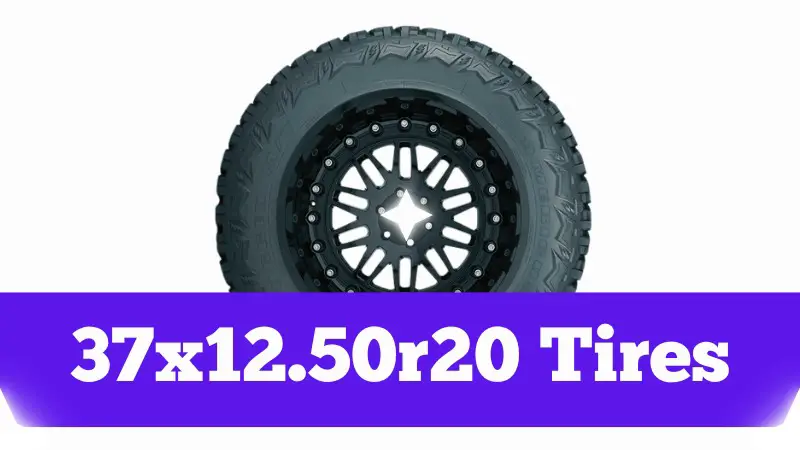 The closest metric equivalents for a 37×12.50R20 tire are 315/70R20 or 325/60R20. A standard 37×12.50R20 tire measures 37 inches in total diameter with a section width of 12.50 inches.
Converting these measurements to the metric system yields a section width of approximately 318 millimeters and an overall diameter profile matched closely by these specific metric sizes.
Metric Sizing Systems Explained
Flotation sizes use inches to define the total outer diameter and section width directly. Metric designations calculate these figures using a combination of width in millimeters, aspect ratio percentages, and wheel diameter.
Moving from a 37×12.50R20 to a metric size requires matching the total rolling circumference as closely as possible.
The primary difference lies in how manufacturers categorize these dimensions on the tire sidewall. While a flotation tire gives a fixed target size, a metric tire size changes its total height if you alter the section width or the aspect ratio.
Evaluating both sizing systems allows fleet managers and truck owners to compare global inventory options. Certain heavy-duty applications favor metric classifications due to strict load range standardization across international manufacturing lines.

Exact Millimeter Dimensions
Mathematical conversion requires multiplying the 12.50-inch width by 25.4 to arrive at 317.5 millimeters. Tire manufacturers round this figure to the nearest standard production width, which results in either a 315-millimeter or 325-millimeter tire base.
To find the correct aspect ratio for a 20-inch wheel, engineers calculate the required sidewall height to maintain a 37-inch total diameter.
The formula extracts the percentage of the section width needed to bridge the gap between the wheel rim and the outer tread.
| Tire | Section Width | Aspect Ratio | Wheel | Total Height |
| 37×12.50R20 | 12.50 inches | N/A | 20 inches | 37.0 inches |
| 315/70R20 | 12.40 inches | 70% | 20 inches | 37.4 inches |
| 325/60R20 | 12.80 inches | 60% | 20 inches | 35.4 inches |

Suspension Clearance and Lifting Requirements
Installing a 37-inch tire profile requires significant modifications to standard vehicle architecture. Most modern half-ton and heavy-duty trucks cannot accommodate this rolling diameter without a dedicated suspension lift kit.
Technical Note: Heavy-duty trucks typically require a minimum of a 4-inch suspension lift to clear 37-inch tires, while half-ton trucks generally require a 6-inch lift kit to prevent severe frame contact.
Wheel offset and backspacing play a critical role in preserving the vehicle turning radius. Incorrect wheel spacing causes the inner sidewall to rub against upper control arms and suspension components during full steering lock. Technicians must measure fender well clearance and often perform minor trimming on plastic liners to ensure safe operation.

Mechanical Performance Impacts of 37-Inch Tires
Upgrading to a 37-inch structural diameter changes the final drive ratio of the vehicle powertrain. The larger rolling circumference reduces effective towing power and alters transmission shift points if the factory differentials are not modified.
- Speedometer Accuracy: The vehicle speedometer will read lower than the actual ground speed because the tire rotates fewer times per mile.
- Braking Performance: Increased unsprung weight elevates the rotational mass, which puts additional stress on original equipment brake rotors and calipers.
- Gear Ratios: Upgrading to a 4.56 or 4.88 differential gear set helps restore original torque curves and fuel efficiency metrics.
37×12.50R20 Equivalent
The closest metric equivalent to the 37×12.50R20 tire size is the 315/70R20. This metric size mirrors the imperial dimensions closely, offering a similar overall diameter and width.
The 315mm width and 70% aspect ratio combine to produce a tire that maintains the performance characteristics of the original size.
How Tall is a 37×12.50R20 Tire?
A 37×12.50R20 tire is 37 inches tall. This measurement refers to the tire’s overall diameter, which is the distance from the ground to the top of the tire when mounted and properly inflated. This substantial height is common in off-road and heavy-duty applications, providing increased ground clearance.
How Wide is a 37×12.50R20 Tire?
The tire is 12.50 inches wide, measured from one sidewall to the other at the widest point. This width offers a broad contact patch with the road or trail surface, enhancing traction and stability, especially in off-road conditions where wider tires can better distribute the vehicle’s weight.
What Size Rim Fits a 37×12.50R20?
A 37×12.50R20 tire is designed to fit a 20-inch rim. The “20” in the tire size denotes the wheel diameter the tire is intended for. It’s crucial to match the tire with the correct rim size to ensure proper fitment, safety, and performance.
Consulting a professional truck tire fitment guide before finalizing your purchase ensures that the chosen load index matches your specific vehicle weight distribution requirements.